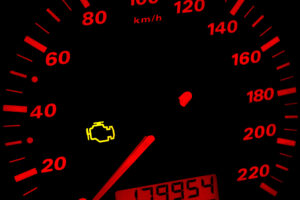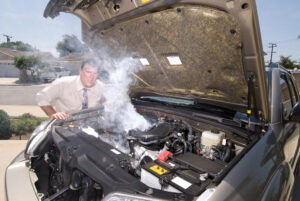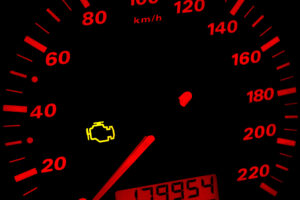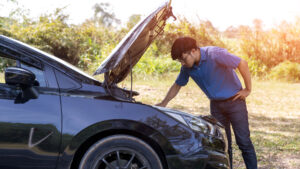
When summer heat hits, you’re not the only one who may overheat—it can be tough on your car, too. If you notice your car runs too warm in the California heat, there are a few ways you can help mitigate potential damage. Ultimately, an overheating car most often comes down to a few common causes, from the weather to overdue maintenance. Always keep an eye on your car’s temperature gauge so that you can catch any temperature changes or fluctuations early and take steps to fix any issues quickly. Not only does this help keep you safe, but it can also prevent some of the more serious and costly repairs as a result of overheating.
Reasons Your Car May Overheat on a Hot Day
An important step in helping to prevent or minimize an overheating car is knowing common causes. Outside air temperature, increased heat generation in the engine, an overworked cooling system, or any combination of those three can commonly cause any vehicle to overheat. Stay aware when you might be dealing with these situations and be prepared to take action at early signs.
High Air Temperatures Make it Difficult to Dissipate Engine Heat
Though a hot day alone doesn’t often make your car overheat, it does make it more difficult for the engine to stay at an optimal operating temperature. Strenuous driving conditions and issues with systems in your car like the engine or cooling system can quickly lead to overheating when the weather is hot and sunny. On the other hand, a cool day can help keep engine temperature more moderate as you drive, decreasing the chances of overheating.
As You Drive, the Engine Produces High Amounts of Heat
No matter what the outside temperature is, your engine generates a significant amount of heat while you drive. The energy it takes to keep your car running, fuel combustion, and friction generated by moving components all increases the internal temperature of your engine. The more you can minimize friction within the system, the less likely you are to deal with overheating—even on a hot day.
An Inefficient or Over-Stressed Cooling System May Allow Overheating
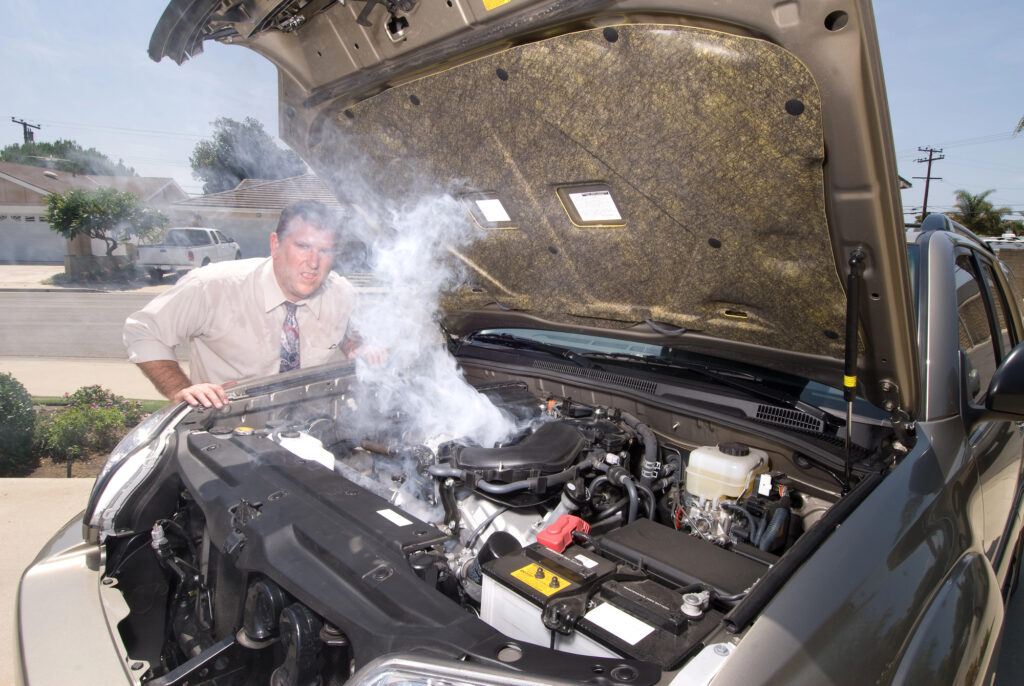
The key to keeping your engine at a healthy operating temperature is routine maintenance on your cooling system. This allows coolant to cycle through the engine and properly absorb heat to be dissipated back out into the environment, preventing your car from overheating. If coolant becomes too low or components in the system malfunction, it can allow your engine to run too warm. Certain driving conditions, such as heavy towing or steep inclines, can also put enough stress on the cooling system and engine that you may deal with overheating.
How to Help When Your Car is Overheating
When you own a car, you’re bound to deal with overheating at some point—but it doesn’t have to turn into a major repair. Often, a relatively simple fix can get you back on the road again, if it’s caught early and you take the right steps. Help avoid bigger problems by following these key tips.
Turn Off the Air Conditioning and Other High-Energy Components
Anytime you’re trying to ease strain on the engine, a good first step is shutting off any high-energy features and components. While you may not want to shut off the air conditioning on a hot summer day, it’s a system that requires a lot of energy from the engine, increasing heat generation as you drive. If your car is overheating, switch off the AC and closely watch your engine temperature.
Blast the Heat and Roll Down Your Windows
Another step that may not be what you want to do is to crank the heat. This helps draw away heat from the engine, potentially lowering the impacts of overheating. While it can’t fully stop an engine from overheating, the more you can do to help moderate its operating temperature, the less likely you are to deal with more extensive damage.
Take it Easy While Driving & Ease Off the Gas Pedal
Aggressive driving habits aren’t just unsafe, they also put more strain on the engine. If you tend to have a lead foot, ease off the gas pedal, especially during city driving that’s often stop-and-go. As soon as you notice your car overheating, be extra cautious about how hard you accelerate. Lower your speed and take your time accelerating until you can find a safe place to park.
Safely Pull to the Side of the Road & Avoid Further Driving
One of the most important steps to take when your engine is overheating is to find a safe place to pull off the road. The longer you continue driving, the higher your risk of extensive damage and costly repairs. Cautiously navigate across traffic and avoid continuing to drive for too long, unless absolutely necessary. Once you’re parked, you can better assess the overall situation and decide which next steps to take.
Allow Your Car to Cool Fully & Top Off Low Coolant
If you decide to take a closer look under the hood, be sure to let your car cool fully first. Checking the coolant while your engine is still hot can be dangerous. Once your car has cooled, you can pop the hood and locate the coolant reservoir to check whether topping it off might help your car run without overheating. If this is the case, make sure you use the correct mixture for your vehicle, which can be found in the owner’s manual. While topping off low coolant can help temporarily, but it’s still important to have a mechanic check your vehicle as soon as possible.
Dealing with Overheating? AAMCO Sacramento’s Mechanics Can Help Fix It
Don’t let your car continue overheating for too long—visit your local AAMCO Sacramento and our expert mechanics will help assess which services or repairs your vehicle needs. An overheating engine can quickly escalate, so don’t hesitate to head our way. Schedule your appointment with us today!